October 13, 2026
A well-designed outdoor space can change the way a property looks, feels, and functions. From the front entrance to the backyard, thoughtful improvements can create a stronger first impression while making exterior areas easier to use and maintain. Professional landscaping brings together plant selection, grading, drainage, hardscaping, and ongoing care in a coordinated plan that reflects the needs of the property. Instead of treating each outdoor feature as a separate project, professionals can consider how lawns, planting beds, walkways, patios, retaining walls, and other elements work together. This approach can help homeowners create an exterior that feels organized, inviting, and suited to everyday life.
Improving Your Property's Curb Appeal
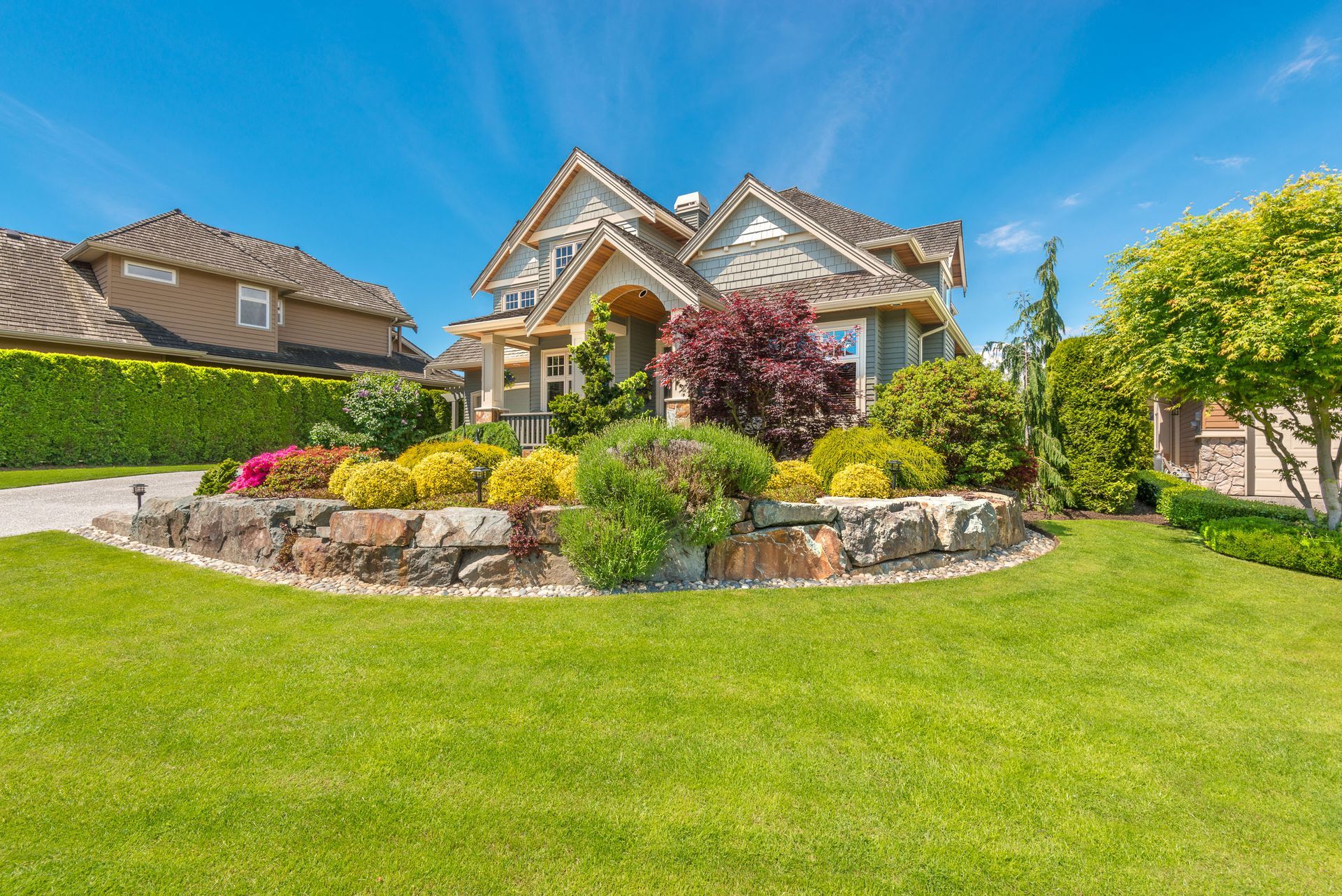
The appearance of a property from the street can shape the first impression it creates. Overgrown shrubs, patchy lawns, poorly defined planting beds, and crowded vegetation can make an otherwise attractive home look neglected. A professional can evaluate the proportions of the house, the shape of the lot, and existing features before recommending changes. Trimming or replacing plants, defining bed lines, adding mulch, and creating more intentional arrangements can give the property a cleaner and more balanced appearance.
Effective landscape design is not limited to adding colorful flowers. Texture, height, repetition, spacing, and seasonal interest all influence the overall design. Professionals can select plants that complement one another while fitting the available sunlight, soil conditions, and mature size of the space. According to HomeGuide, landscaping improvements may increase a home’s value by approximately 10% to 30%, depending on the scope and quality of the work completed. While results vary by property, a well-planned exterior can support a stronger overall presentation.
Creating More Functional Outdoor Spaces
A property can have plenty of outdoor space without offering practical areas for everyday use. Slopes, awkward corners, undefined gathering areas, and poor circulation may prevent homeowners from making the most of the yard. Professionals can look at how people move through the property and identify opportunities to create dedicated areas for dining, entertaining, gardening, playing, or relaxing. Patios, walkways, seating areas, lawn sections, and planting zones can then be arranged so each area has a clear purpose.
Thoughtful landscaping can also improve the transition between indoor and outdoor living areas. A pathway from the back door to a patio can make entertaining more convenient, while strategically placed plantings can create privacy around seating spaces. Retaining walls may help turn sloped areas into flatter, more usable sections, and carefully positioned trees can provide shade where it is needed most. When these features are planned together, the yard can become a true extension of the home.
Addressing Drainage and Erosion Concerns
Water management is an important part of many outdoor improvement projects. Low spots may collect standing water, runoff may wash soil away from planting beds, and poor drainage can create muddy areas near walkways or foundations. Professionals can evaluate the grade of the property and determine how water moves during periods of rain. Depending on the site, solutions may include adjusting slopes, installing drains, building swales, improving soil, or choosing plants that tolerate different moisture levels.
Professional landscaping can also help stabilize areas where soil tends to shift or erode. Groundcovers, shrubs, retaining walls, and properly graded planting beds can reduce exposed soil and help manage runoff on sloped properties. Addressing these issues as part of a larger plan can be more effective than repeatedly filling washed-out areas or replacing damaged plants. Considering drainage early in the project can help homeowners create an outdoor space that looks attractive while responding to the practical conditions of the site.
Adding Privacy and Visual Definition
Many homeowners want outdoor spaces that feel comfortable and private without making the property feel closed in. Strategic planting can help screen neighboring properties, busy roads, utility areas, or other unwanted views. Trees, shrubs, ornamental grasses, and layered beds can provide different levels of separation depending on the amount of privacy needed. Professionals can also account for mature plant sizes so screens become more effective over time without eventually crowding structures, walkways, or neighboring features.
Landscape design can also help define different parts of a yard. Planting beds can frame a patio, low shrubs can guide movement along a walkway, and trees can create visual boundaries between gathering areas and open lawn. These transitions make the property feel more intentional and organized. Instead of having one large, undefined outdoor area, homeowners can create connected spaces that each serve a specific purpose while still contributing to a cohesive overall appearance.
Reducing Ongoing Maintenance Demands
A professionally planned yard does not necessarily require constant upkeep. In fact, one goal of good design may be to reduce unnecessary maintenance by selecting plants and materials that fit the site. Plants placed in appropriate light and soil conditions are generally easier to manage than species forced into unsuitable locations. Proper spacing can reduce the need for frequent pruning, while defined borders and mulched beds can make it easier to control weeds and separate lawns from ornamental areas.
Professional landscaping may also replace difficult-to-maintain portions of a property with more practical features. A steep lawn that is challenging to mow might become a planted slope, while a frequently muddy section could be redesigned with a walkway or hardscape surface. Irrigation improvements can help deliver water efficiently to lawns and beds, and durable materials may reduce recurring repair needs. Designing around the realities of the property can make routine care more manageable while preserving an attractive appearance.
Creating a More Cohesive Design
Outdoor improvements often happen gradually, which can leave a property with features that do not feel connected. A patio may have been added years after the original planting beds, or newer shrubs may not match the scale and style of older features. Professional design can bring these separate elements together by establishing consistent materials, shapes, colors, and planting patterns. Repeating certain plants or hardscape materials throughout the property can create visual continuity without making every area look identical.
This coordinated approach can also complement the architecture of the home. Formal planting arrangements may suit some properties, while naturalistic beds and curved pathways may work better with others. Materials for walls, edging, patios, and walkways can be selected to coordinate with exterior finishes on the house. When these details are considered as part of one plan, the landscape can feel like a natural extension of the property rather than a collection of unrelated projects completed at different times.
Planning for Long-Term Improvements
Professional planning can help homeowners make outdoor improvements in a logical order, even when the entire project cannot be completed at once. A landscape plan can identify where future patios, walkways, drainage systems, trees, lighting, or other features may eventually be installed. This can reduce the chance that one improvement will need to be removed or altered to make room for another later. Homeowners can then divide the work into manageable phases while still working toward a consistent long-term result.
Experienced professionals can also consider how plants and landscaping materials will change over time. Trees grow larger, shrubs fill out, hardscape materials weather, and patterns of sun and shade may shift as vegetation matures. Planning for these changes can help the property continue to function well rather than simply looking finished immediately after installation. A long-term approach gives homeowners a clearer path for maintaining, expanding, and adapting their outdoor spaces as their needs and preferences change.
Professional landscaping can transform a property by improving curb appeal, increasing usability, addressing drainage concerns, creating privacy, reducing maintenance challenges, and bringing outdoor features together in a more cohesive design. The best results come from looking at the property as a complete environment and considering how each improvement affects the others. Whether the goal is to refresh an aging yard, create better spaces for entertaining, make a sloped property more usable, or establish a plan for future upgrades, professional guidance can help turn ideas into practical improvements that support the property for years to come. To start planning your outdoor transformation, contact Smith Landscaping VA.